Regulation, innovation, communication: my trip to MedTech Expo
Part 1 of 3: Regulations
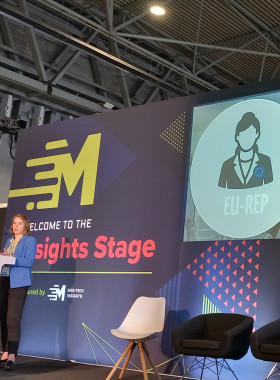
Early in June 2025, I headed to Birmingham, a town I know very well having lived, studied and worked there in my late teens and early twenties. This time I was delving into quite a different world, as I was attending a trade fair bringing together innovators and investors from the world of medical technology. Previously I had only attended translation or medical writing conferences and workshops, so I wasn’t sure what to expect. I hoped to hear about different aspects of the medical device industry, such as new developments and challenges, to see innovative technology up close and to learn more about the regulations that medical device developers need to comply with before they can bring their product to market. I can safely say every box was ticked, and more besides! Here begins my three-part breakdown of what I learned, split into regulation, innovation and communication.
Regulatory revelations
High on my CPD wish list this year was gaining a greater understanding of the regulatory landscape for the pharmaceutical and medical device industries, to lay a foundation for future collaborations. The talks on offer at MedTech Expo were one factor that clinched my decision to go. With presentations such as “Regulatory roles in medical device market access” and “UK medical device regulations and navigating new PMS requirements” I knew I was in for…. Well, not everyone’s idea of a treat but it would be a gateway to exactly the kind of grounding I needed.
A Swiss-based regulatory consultant presented the talk on regulatory roles, focusing on the responsible person and the part they play in bringing a medical device to market, comparing different regions: the US, the EU, the UK and Switzerland. I was familiar with this concept in clinical trials, when an individual is needed to liaise with regulatory bodies and ensure that everyone involved is complying with safety reporting. If a trial sponsor does not have a presence in one of the countries where the study is taking place, they need to appoint someone, usually for the contract research organisation running the trial, to take on this role. The principle is the same in the process of launching a medical device – if the manufacturer is based outside the country where they want to sell the device, then they need to appoint a representative in the country and they will ensure compliance with regulations.
Key contact
There are some differences across territories. In the EU and Switzerland, the speaker was keen to stress that this role is not just a name on a label but someone who is “legally liable and must perform active regulatory tasks”, which is not the case in the USA. However, the responsible person in every region of the world will need full oversight and access to relevant documentation, and, importantly, they need to ensure that all submissions are made in the appropriate language–sounds like an opening for translators!
The UK picture
In the post-Brexit world, the UK does things a little differently from the EU, and now the Medicines and Healthcare products Regulatory Agency is the sole authority regulating the UK medical devices market. A UK Responsible Person must be appointed for medical devices if the manufacturer is not established in the UK. I met a number of regulatory consultancies at MedTech Expo offering exactly this service. This person ensures that the device complies with UK regulations and handles registration with the MHRA. The speaker also raised the points that a UK responsible person needs to have full access to a manufacturer’s technical documentation to fulfil their obligations, and that they should have product liability insurance as they are “jointly liable with the manufacturer/importer for defective products”.
Speaking of the UK…
In the post-Brexit period, medical device regulation has so far remained harmonised with the EU regulation, but the time has come when changes are happening. For example, CE marking is still accepted until 2028, but a new marking scheme, the UKCA, has been operational since 2024. While the grace period continues for CE marking, stricter requirements came into force in June 2025 on post-marketing surveillance–the reporting on how the device is used and how patients respond to it in the real world, outside of clinical trials. This was explored in another talk, and it comes as “part of a broader effort to strengthen UK medical device safety and improve regulatory practices”. We might reasonably question whether they have been lax if they were parallel to the allegedly overly administrative EU, but that would be for a different blog!
The changes essentially concern obligations to carry out enhanced surveillance, with shorter timelines for reporting incidents and submitting reports, as well as broader criteria for what should be considered a reportable side effect.
In a nutshell
- The talks served as an excellent starting point for deeper exploration into medical device regulation.
- Hearing directly from industry experts brought clarity to otherwise complex or dry topics.
- The presentations provided practical insights that will be valuable in future translation projects involving regulatory content.
If you're a translator considering attending a trade fair, make time to explore the programme of talks. As this experience shows, they offer additional value and provide the perfect counterbalance to meeting exhibitors.